Introduction to IoT and Sensor Networks
The Evolution of Wireless Sensor Networks
- Wireless sensor networks are pivotal in domains like healthcare, agriculture, and smart cities, enabling real-time data collection and monitoring.
- The integration of sensors, controllers, batteries, and transmission protocols form the backbone of these networks, leading to more efficient and automated processes.

- LoRaWAN emerges as a superior technology for long-range, low-power applications, overshadowing traditional protocols like ZigBee due to its ability to transmit over larger distances with minimal power usage.
- Understanding and utilizing LoRa transmissions is becoming an essential skill for engineers and developers in the IoT domain.
LoRaWAN Technology
The Prowess of LoRaWAN in IoT
- LoRaWAN stands out in the IoT landscape for its long-range capabilities and minimal power consumption, ideal for devices running on batteries for extended periods.
- With LoRaWAN, devices can communicate over distances without needing to pass data through multiple nodes, ensuring efficient and direct data transmission.
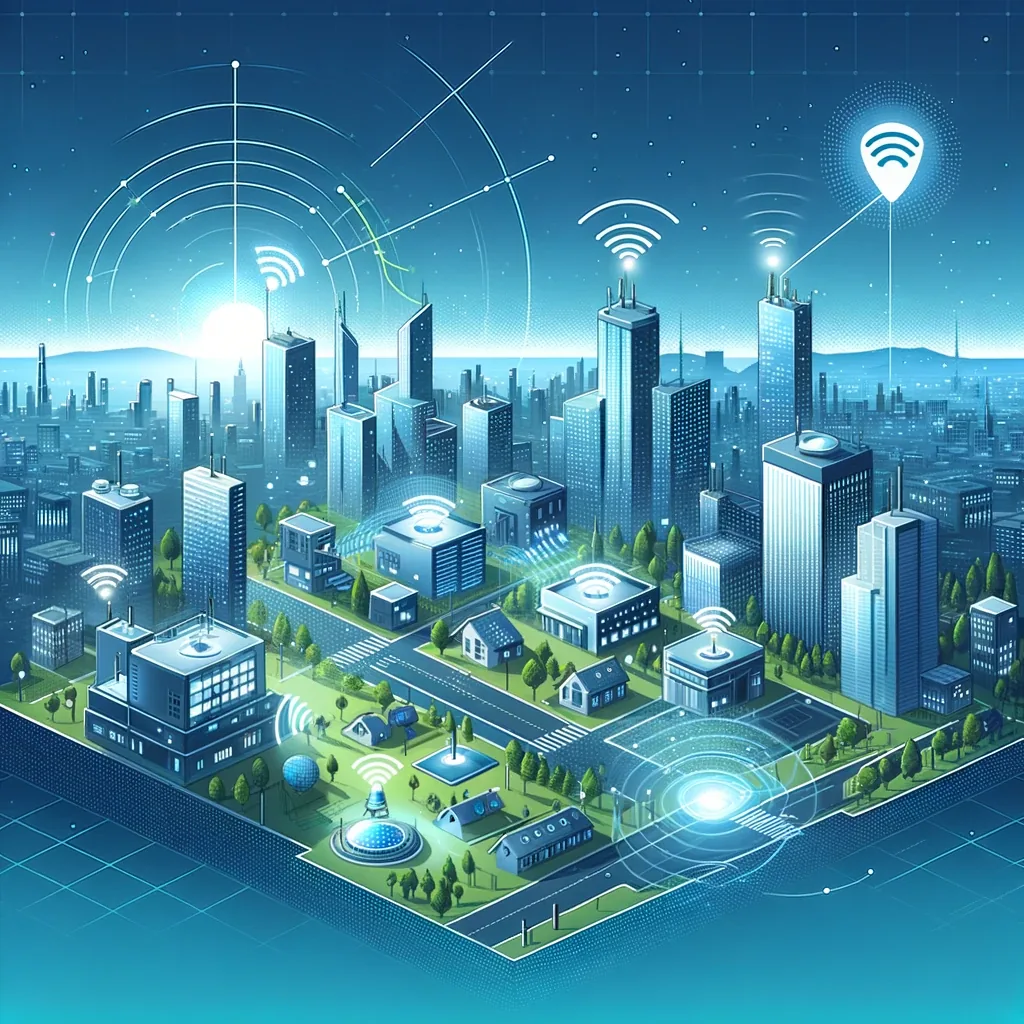
- LoRa technology offers a secure channel for data transmission, promoting its application both indoors and outdoors, from smart homes to rugged industrial environments.
- Integrating LoRa within sensor nodes fosters the development of innovative monitoring systems like air quality sensors and landslide detection systems.
Comparative Analysis of Transmission Protocols
Transmission Protocols: LoRaWAN vs Others
- Bluetooth and ZigBee once reigned supreme for short-range IoT applications but falter over greater distances and more complex network topologies.
- LoRaWAN provides an alternative with its mesh network capabilities, enabling devices to interconnect efficiently without the need for close proximity.

- Despite ZigBee's cost-effectiveness and low power usage, it struggles with range limitations and potential delays, which LoRaWAN overcomes with ease.
- Understanding the strengths and weaknesses of each protocol is crucial for designing IoT systems tailored to specific application needs.
Transition to LPWAN for IoT Devices
Embracing LPWAN for Wider Network Coverage
- LPWAN technologies like LoRa and NB-IoT have become crucial for IoT systems that require extensive coverage and energy efficiency.
- These protocols support wide-area network coverage, enabling IoT applications in remote locations without the need for extensive infrastructure.
- LoRa's use of unlicensed frequencies allows for flexibility in deployment, making it an attractive option for various IoT applications.
- Choosing the right LPWAN technology is a strategic decision that influences the efficiency and scalability of IoT solutions.
Sensor Node Development
Developing Advanced IoT Sensor Nodes
- Designing sensor nodes with integrated LoRa modules facilitates the development of diverse applications like environmental monitoring and smart city systems.
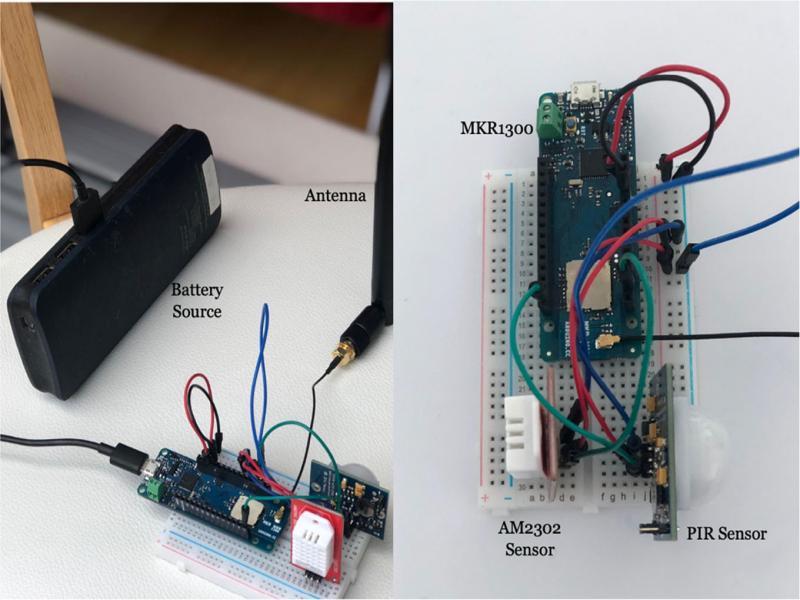
- The MKR1300 microcontroller board is featured for its compatibility with LoRa, enabling the creation of power-efficient sensor nodes.
- Such nodes can be powered sustainably via solar panels, contributing to eco-friendly and maintenance-free IoT systems.
- The development process underscores the importance of hardware and software synergy for successful IoT implementations.
Functional Requirements of Sensor Nodes
Essential Components for IoT Functionality
- Each sensor node is an intricate assembly of hardware and software components designed to perform specific functions within an IoT ecosystem.
- Hardware like the MKR1300 board, antennas, and various sensors form the physical structure of the node, while software applications handle data processing and communication.
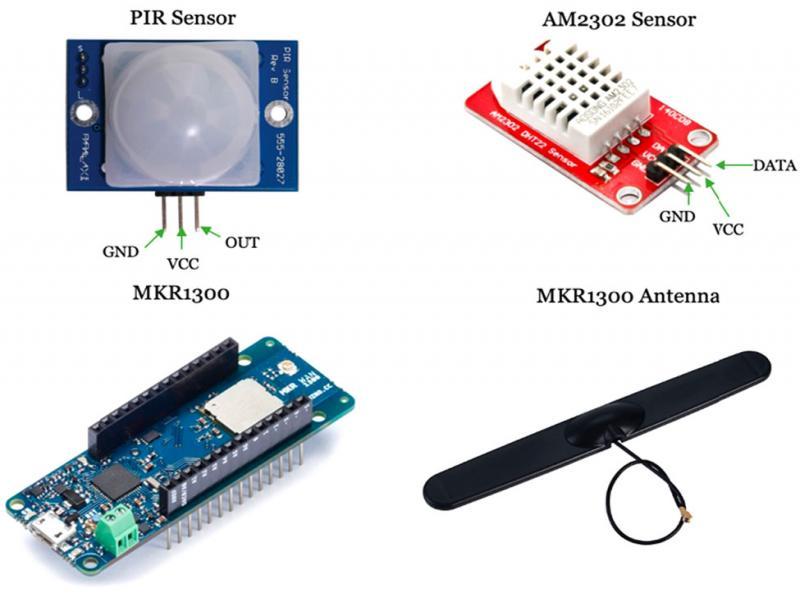
- Choosing the right components, such as sensors and power sources, is crucial for the node's reliability and longevity.
- Software applications must be carefully selected to ensure secure and efficient data handling and storage.
Hardware Setup and Software Configuration
Assembling and Programming the Sensor Node
- The physical assembly of a sensor node involves connecting sensors to the microcontroller on a breadboard, followed by programming using the Arduino IDE.
- Proper initialization and setup in the Arduino IDE are crucial for the node to communicate with the gateway and transmit data securely.
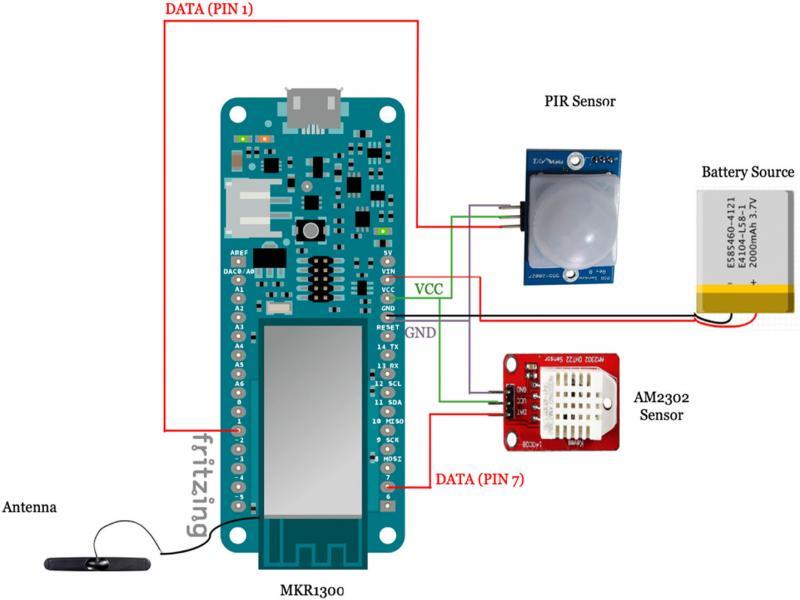
- Software libraries are implemented to facilitate the sensor data readings and integrate the data into the IoT network via transmission protocols like LoRaWAN.
- Detailed documentation and coding examples in the Arduino IDE aid in the transparent and efficient setup of IoT devices.
LoRa Architecture Implementation
Implementing LoRa Architecture in Sensor Nodes
- The implementation of LoRa architecture in sensor nodes is a detailed process, involving careful planning of the node's hardware and software configurations.
- The final assembly of the sensor node's circuit includes integrating the MKR1300 with sensors and antenna, ready for deployment.
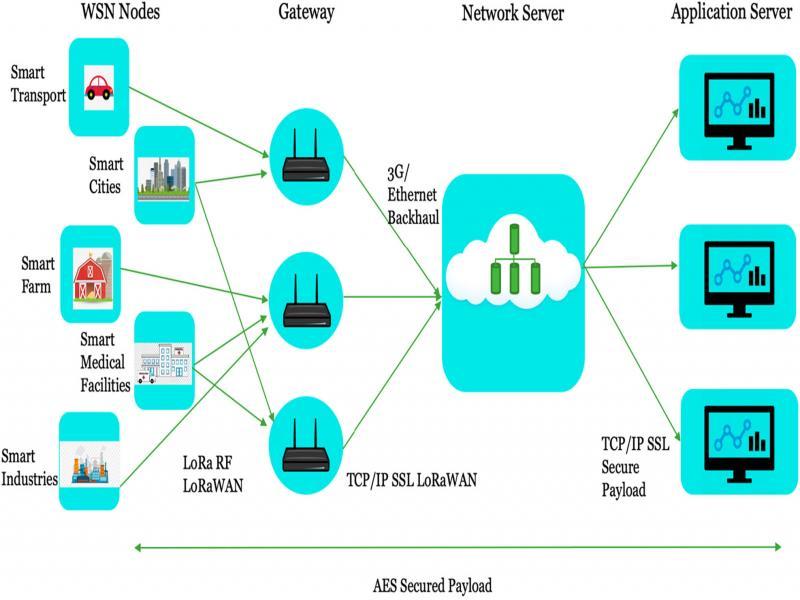
- Programming the node for data transmission involves setting up secure communication protocols through the Things Network (TTN) and utilizing the appropriate frequency band.
- The deployed sensor nodes can autonomously transmit data such as pedestrian movement and environmental metrics to the cloud for analysis.
Results from the Developed Sensor Node
Outcomes and Performance Metrics
- The developed sensor node's results are integral for assessing the effectiveness of the LoRaWAN implementation in real-world scenarios.
- Performance metrics such as data transmission reliability, power consumption, and sensor accuracy offer insights into the node's operational capabilities.
- Data collected from the sensors are used to refine the IoT systems, ensuring they are responsive and reliable for their intended applications.
- The successful deployment of the sensor node paves the way for scaling the technology to broader IoT networks.
Conclusion and Future Work
Wrapping Up and Looking Ahead
- The exploration of LoRaWAN in the development of sensor nodes demonstrates its potential for the next generation of IoT applications.
- Future work will likely focus on enhancing the scalability and security of sensor nodes to accommodate the growing demands of IoT networks.
- Continuous improvements in sensor technology and network protocols will further enrich IoT ecosystems, making them smarter and more integrated into our daily lives.
- The ongoing research and development in IoT promise to unlock new possibilities for automation and efficiency in various sectors.